Lānaʻi
First Cathedral · Second Cathedral · Hulopo'e Bay · Trilogy
All LevelsHidden GemCathedrals
Hawaii's Definitive Dive Guide · 2026
The island-by-island guide to the best diving in Hawaii — from Molokini Crater's legendary 150-foot visibility to Kona's world-famous manta ray night dive.
🌊 We can't say enough good things — Honolulu Scuba Company gave the Best Diving Hawaii team a flawless, safety-first day on the water off the shores of Oahu. 🐢 Five stars, no hesitation.
When we set out to feature the best dive operators in the islands, we don't just collect logos and phone numbers — we get in the water. So when the crew at Honolulu Scuba Company invited the Best Diving Hawaii team out for a real Hawaiian dive, we jumped at it (fins first 🤿). What followed was one of the most professional, well-run, and downright joyful dive days we've had anywhere in Hawaii — and it's exactly why we're making them our featured Oahu dive shop.
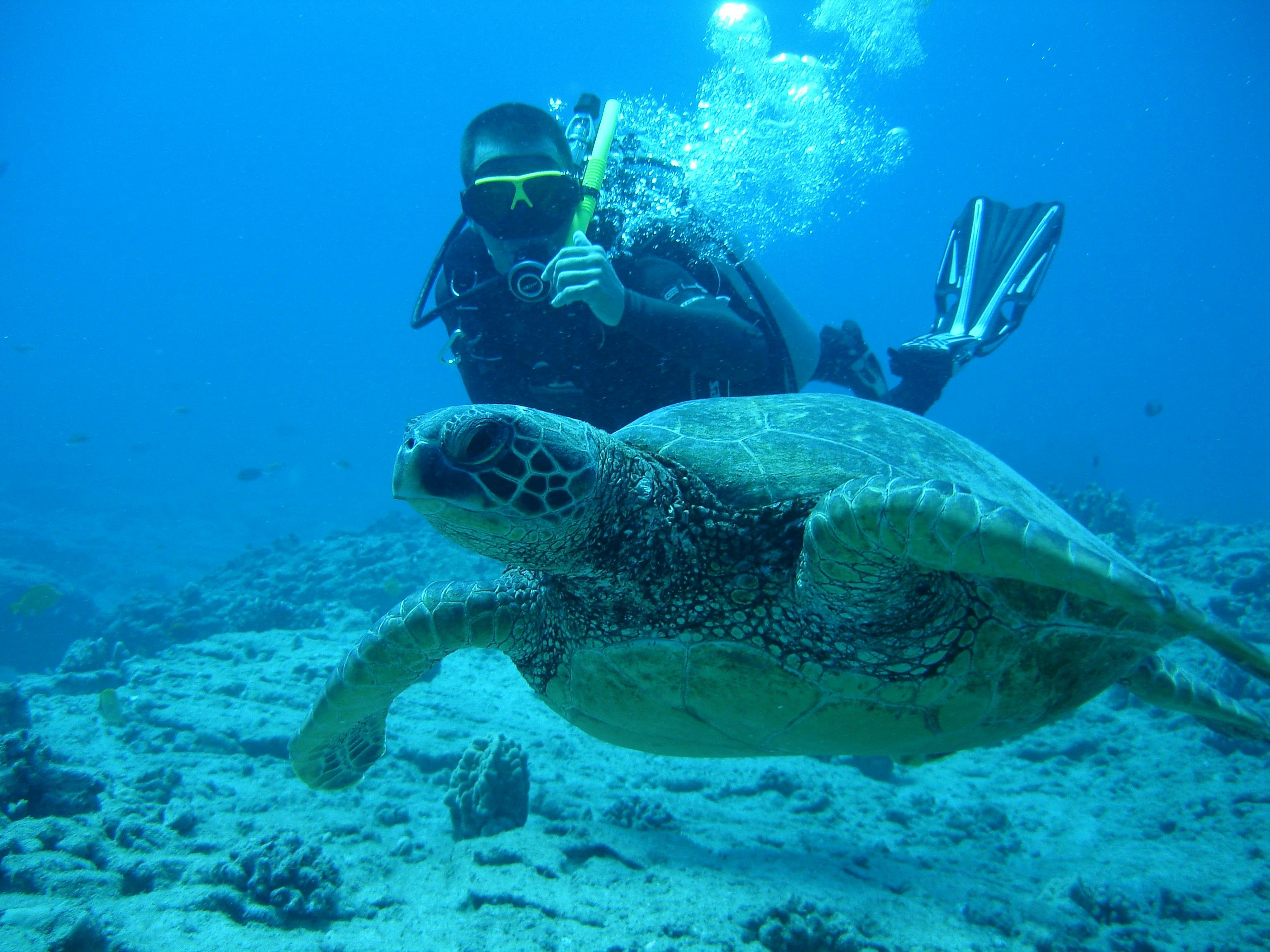
🚤 The boat dive itself was unforgettable. They took us out on the boat for a true Hawaiian dive just off the Oahu coastline, and the ocean delivered in a big way. We drifted alongside majestic Hawaiian green sea turtles gliding effortlessly over the reef, came face-to-face with huge eels tucked into the rocks, and were surrounded by some of the most incredible fish, coral, and sea creatures you'll find anywhere in the Pacific. The reef was alive — schooling fish in every direction, color everywhere you looked, and that quiet, weightless magic that reminds you why you fell in love with diving in the first place. 🐠🐢
🦺 But what truly set Honolulu Scuba Company apart wasn't just the marine life — it was how they run their operation. From the moment we stepped on the boat, it was obvious this is a crew that does everything by the book. Every briefing was thorough. Every safety check was deliberate. Nothing was rushed, nothing was skipped, and at no point did we ever feel like a number on a manifest. They run a genuinely safety-first operation, and as experienced divers, that's the single thing we value most. You can feel the difference between an outfit that's just moving bodies through the water and one that actually cares whether you come up smiling. This is the latter — every single time.
👏 The staff are the heart of this shop. All of their team members are true professionals who genuinely want you to have a great experience while staying safe. They were patient, encouraging, and clearly passionate about what they do. Whether you're a seasoned diver or someone strapping on a tank for the very first time, you're in outstanding hands. And we have to give a special shout-out to Ronda — Ronda and the entire staff were incredibly helpful and went well above and beyond to make our day seamless from the first phone call to the moment we climbed back on the dock. That kind of hospitality is rare, and it's the reason people become lifelong customers.
If you've never dived with a shop like this before, here's what the day actually felt like. Communication started well before we ever reached the water — clear instructions on where to meet, what to bring, and what the conditions would be. On the boat, the team walked everyone through the dive plan, the marine life we were likely to see, hand signals, entry and exit procedures, and emergency protocols. None of it felt like a box-ticking lecture; it felt like people who genuinely want you relaxed and confident before you ever break the surface. For newer divers, that kind of patient, thorough briefing is the difference between a nervous first dive and a great one — and we watched first-timers in our group go from anxious to grinning ear-to-ear within minutes of descending.
🌊 The gear was well-maintained and properly fitted, the boat was comfortable, and the pacing of the day struck the perfect balance — enough time underwater to truly explore, with plenty of surface time to swap stories and refuel between dives. Throughout it all, the crew kept a close, unobtrusive eye on every diver. They never hovered or made anyone feel rushed, but you always knew someone was watching out for you. That blend of relaxed island hospitality and serious professional standards is exactly what you want from an Oahu dive operator, and it's surprisingly hard to find. Honolulu Scuba Company nails it.
Oahu has no shortage of dive shops, but very few combine top-tier marine encounters, small-group attention, and an uncompromising commitment to safety the way this crew does. They offer guided boat dives to Oahu's best sites, easy-access shore dives with professional supervision, Discover Scuba experiences for first-timers with zero experience required, and full PADI and NAUI certification courses for divers ready to take the next step. Whatever your level, they have a trip that fits — and they'll match the dive to you, not the other way around. As a locally owned shop under Larry and Ronda Deckert, they bring the kind of personal investment in every diver's experience that the big high-volume operations simply can't replicate.
🐢 If you're planning a trip to Oahu and want to see turtles, eels, reef fish, coral, and the kind of underwater scenery that ends up framed on your wall, this is the shop we'd book. We came in with high expectations and left with even higher ones. We can't recommend Honolulu Scuba Company enough. Five out of five stars — and we'll be back. 🌺
What is the best diving in Hawaii?
Maui's Molokini Crater is Hawaii's #1 dive site — a submerged volcanic caldera offering up to 150 feet of visibility and 250+ marine species, accessible only by boat 2.5 miles off the coast. For a once-in-a-lifetime experience, the Kona Manta Ray Night Dive off the Big Island draws Pacific manta rays with 14-foot wingspans to feed in graceful barrel rolls inches from divers — consistently ranked among the top 10 dives on the planet. On Oahu, our top-rated operator pick is Honolulu Scuba Company for safety-first boat dives to turtles, eels, and reefs. Hawaii offers world-class diving year-round across 6 islands, with water temperatures from 72–82°F, 700+ fish species (25% found nowhere else on Earth), sea turtles, sharks, monk seals, and spectacular wreck and cave diving.
Six islands. Dozens of world-class sites. Here's what awaits beneath the surface of each.
Molokini Crater · Five Caves · Makena Landing · Corsair Wreck
Manta Ray Night Dive · Pelagic Magic · Lava Tubes · Garden Eel Cove
YO-257 Wreck · Hanauma Bay · Shark's Cove · Haleiwa Shark Dive
Tunnels Beach · Sheraton Caverns · Nāpali Coast · Koloa Landing
First Cathedral · Second Cathedral · Hulopo'e Bay · Trilogy
Sea Cliffs · Moʻomomi · Remote Reefs · Fish Ponds
Put your dive charter, tour company, or watersports operation in front of thousands of qualified Hawaii dive travelers every month. Top-of-page featured placement — built for operators who want real bookings.
Hawaii's volcanic origins created ecosystems found nowhere else on Earth. Over 25% of Hawaiian reef fish are endemic species — seen only in these waters. See the full marine life guide ›
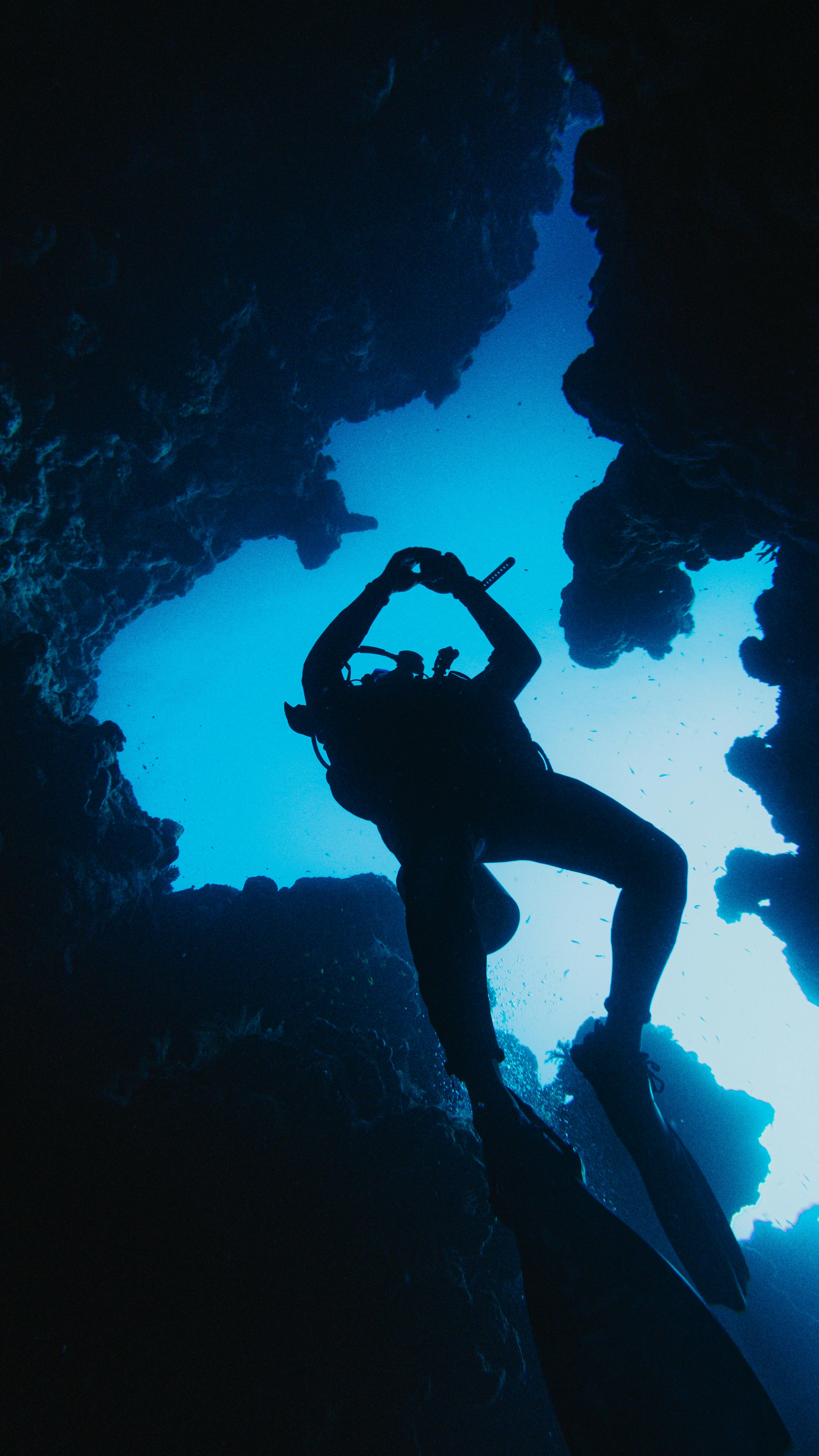
Garden Eel Cove · Kona, Big Island
Kneel on the sandy bottom at 30 feet as Pacific mantas — some spanning 14 feet — perform aerial barrel rolls inches from your mask, drawn by plankton-attracting dive lights. One of the most transcendent experiences in all of diving.
2.5 miles off SW Maui
Hawaii's crown jewel. The crescent rim of this submerged volcanic caldera delivers up to 150-foot visibility, 250+ marine species, and a dramatic 300-foot outer wall for advanced divers. Accessible only by morning charter boat.
Haleiwa, North Shore Oahu
Descend to 30 feet for face-to-face encounters with Galapagos and sandbar sharks in the open Pacific. No cage. Just clear water, experienced divemasters, and Hawaii's apex predators in their natural habitat.
Waikiki, Oahu
A deliberately sunk 175-foot WWII-era Navy vessel resting at 65–100 feet off Waikiki. Thick with marine life — sea turtles, eels, schooling goatfish. Hawaii's most accessible wreck dive, minutes from Waikiki Beach.
Hulopo'e Bay · Lānaʻi
Light streams through lava tubes into this massive cathedral-like cavern — one of Hawaii's most breathtaking dive environments. Schools of fish hover in filtered shafts of light 60 feet below the surface.
Open Ocean · Kona, Big Island
Float 50 feet down in open water, 1,000 feet above the ocean floor. Bioluminescent creatures rise from the deep. Oceanic whitetip sharks, squid, and alien pelagic life drawn by dive lights in the inky black Pacific.
Reach divers actively planning Hawaii dive trips. Gear brands, rental shops, and dive equipment retailers — this mid-page placement puts your products in front of a high-intent audience researching before they travel.
Inquire About This SpotHawaii offers year-round diving — but conditions vary. Here's your month-by-month guide to visibility, water temperature, and sea state. Full seasonal guide ›
A 3mm wetsuit is recommended year-round. A 5mm provides comfort at depth or in winter. Rash guards work for summer snorkeling dives.
Molokini Crater tops 150 feet in peak season. Most leeward sites average 80–100 feet year-round. Windward sites see 40–60 feet in winter swell.
Summer trades bring flat leeward water. Winter swells hit north-facing shores but south-facing and Kona sites remain sheltered and excellent year-round.
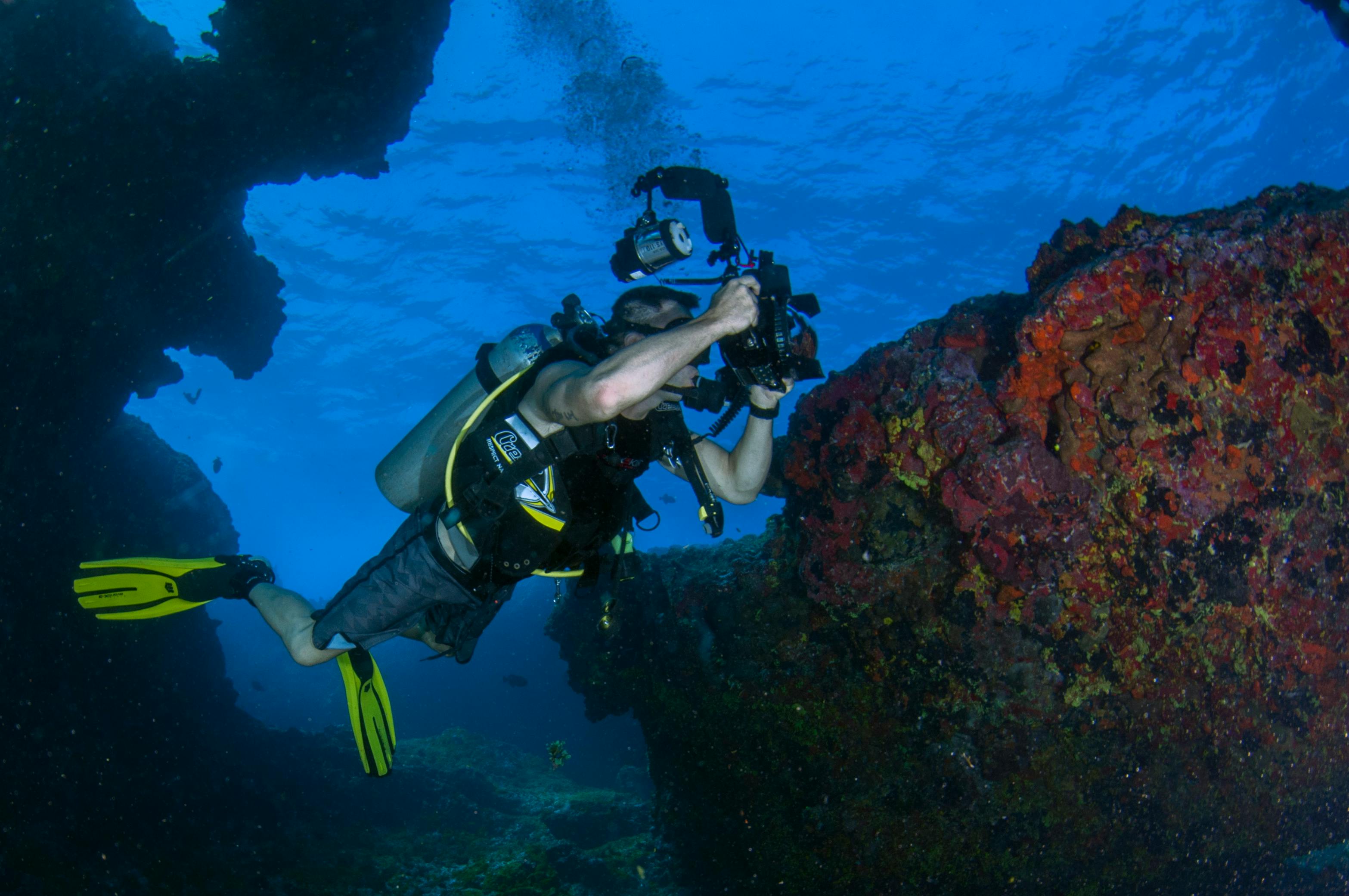
No prior experience needed. Discover Scuba (DSD) programs are available at operators across every island. You'll reach 40 feet with a certified instructor — same-day bookings often available.
With Open Water certification, Hawaii's full dive world opens. Wreck dives, lava tube dives, shark dives, and multi-site charter boats to Molokini's outer wall and cathedral caverns all become accessible.
Advanced certification unlocks Hawaii's deepest, most remote, and most thrilling experiences — including the Pelagic Magic night dive, Molokai's sea cliffs, and Molokini's 300-foot outer wall.
This premium placement reaches divers planning certification before their Hawaii trip. Dive schools, PADI eLearning partners, and SSI/NAUI course providers — reach your ideal audience right here.
Reserve This Ad SpotContact: sales@eyetoad.com · eyetoad.com
Night Diving Hawaii
Night diving in Hawaii reveals a completely different world. Hunting octopus, luminous nudibranchs, and shy species that hide during the day all emerge under torch light. The Kona manta ray night dive is the pinnacle, but Maui, Oahu, and Kauai all offer excellent night dive operations.
Hawaii is home to over 40 shark species, making it one of the Pacific's premier shark dive destinations. The most popular experience is the cage-free dive off Haleiwa on Oahu's North Shore, where Galapagos and sandbar sharks gather in numbers that can reach 100+. These are reef sharks — curious and predictable in the company of experienced guides.
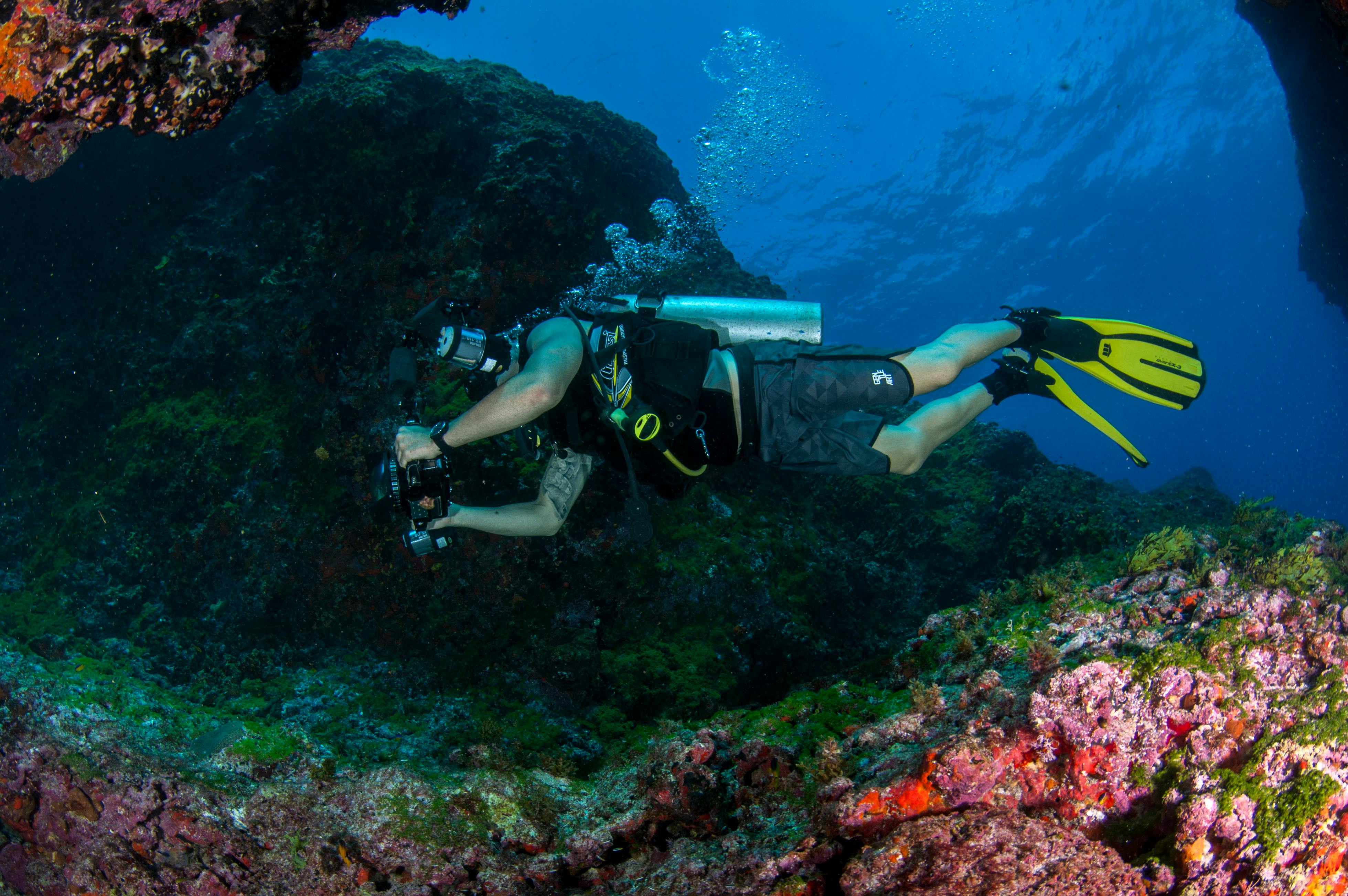 Best Scuba Diving Maui
Maui's reputation in the dive world rests almost entirely on Molokini Crater — and rightfully so. But the island offers far more: the lava arches of Five Caves at Makena, the Pinnacles seamount, and the Corsair — a WWII Vought F4U fighter plane resting at 100 feet, one of Hawaii's most dramatic wreck dives.
Hawaii's liveaboard options are more intimate than Maldives or Red Sea fleets, but they access dive sites simply unreachable on day boats. Multi-day trips around the Big Island and inter-island passages to Maui visit offshore pinnacles, seamounts, and rare deep-water environments that define truly world-class diving.
Ready to see turtles, eels, and Oahu's best reefs? Send your trip details below and Ronda's team at Honolulu Scuba Company will get back to you to plan a safe, unforgettable dive. Boat dives, shore dives, Discover Scuba, and full certification — all skill levels welcome.
3,000+ monthly visitors actively planning Hawaii dive trips. Premium placements for dive operators, charter companies, gear brands, certification programs, and watersports businesses. Three ad positions available — all performance-focused, no waste.
sales@eyetoad.comOr visit eyetoad.com to learn more about Eye To Ad Media.
Maximum visibility for charter companies, snorkel tours, and dive operators targeting serious Hawaii dive travelers.
300×120 banner placement reaching divers researching gear before their trip. Ideal for rental shops, brands, and retailers.
Reach divers actively planning PADI certification before landing in Hawaii. PADI eLearning and SSI/NAUI welcome.