Home › Dive Sites › Big Island
The Kona coast hosts one of the planet's most famous dives — the manta ray night dive. Add black-water Pelagic Magic, lava-tube reefs, and calm leeward water year-round, and the Big Island earns its place on every diver's list.
What is the best scuba diving on the Big Island?
Big Island scuba diving centers on the Kona coast, and its signature dive is the manta ray night dive at Garden Eel Cove. There, lights draw Pacific manta rays with 14-foot wingspans to feed inches from divers — a dive ranked among the top ten on Earth. Kona also offers the eerie Pelagic Magic black-water dive, plus lava-tube reefs, turtle cleaning stations, and easy shore dives like Two Step. Because tall volcanoes shelter the leeward coast, Kona stays calm and clear year-round.
The Big Island is Hawaii's youngest and largest island. For divers, though, almost all the action happens on one coast: Kona, on the west side. That focus is a good thing. Because the island's tall volcanoes block the trade winds, the Kona coast stays sheltered. As a result, the water is calm and clear nearly every day of the year.
This reliability sets the Big Island apart. While other islands have seasonal sites, Kona dives well in every month. Visibility usually runs 100 to 120 feet, and the water holds a comfortable 75°F to 82°F. Therefore, a 3mm wetsuit works year-round, and trips rarely cancel for conditions.
The headline dive, of course, is the manta ray night dive. It is one of the most famous dives in the world, and it happens just off Kona. However, the island offers much more. You will find black-water dives, lava-tube reefs, turtle cleaning stations, and gentle shore sites. To compare Kona with the other islands, see our Hawaii dive sites hub.
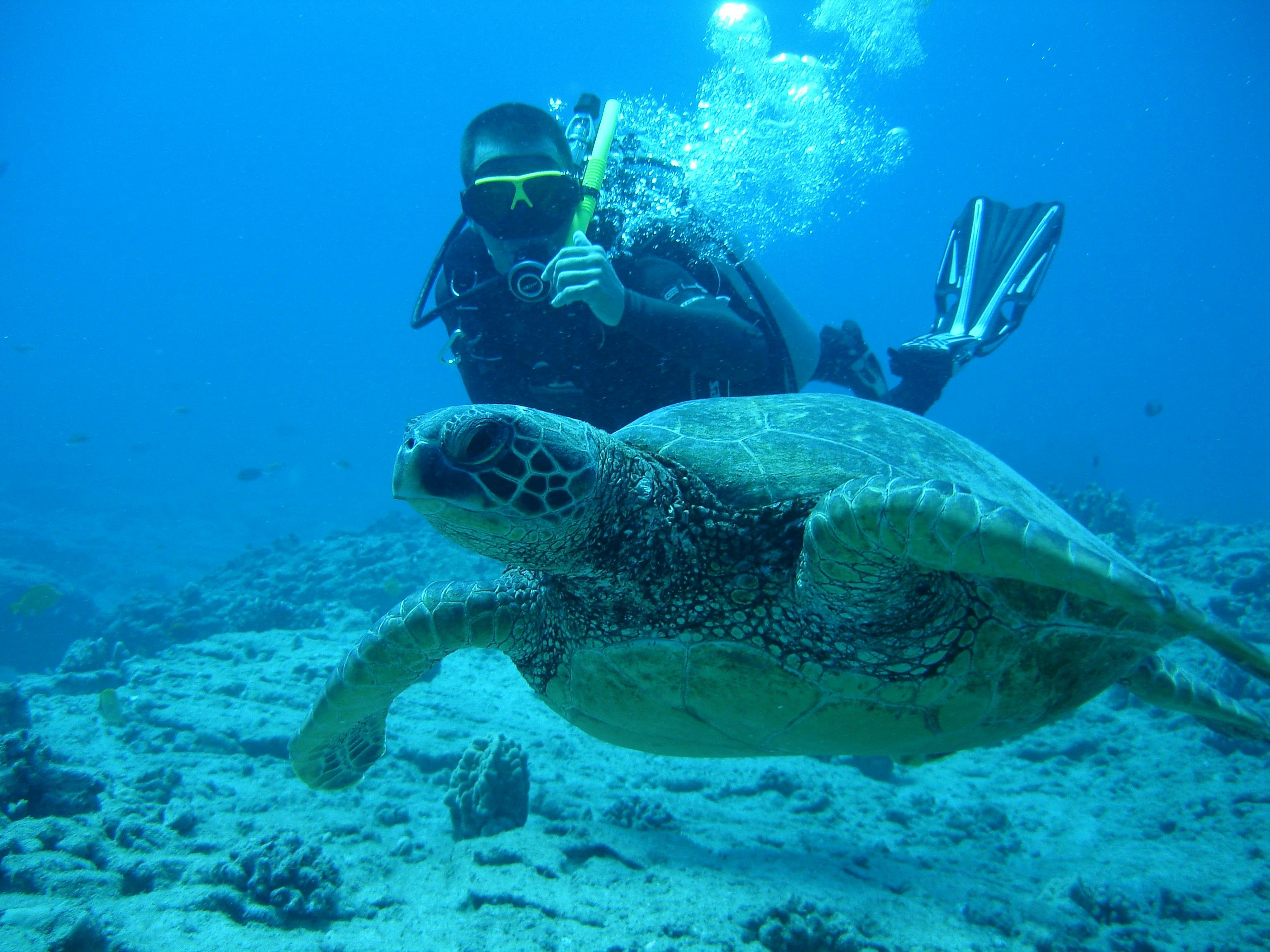
Marine life is abundant and easy to reach. Turtles cruise the reefs, dolphins visit the boats, and the lava terrain shelters eels, octopus, and endemic fish. At night, the ocean transforms entirely. To learn what swims here, browse our Hawaii marine life guide.
The manta ray dive sells out nightly — but only for the shops travelers can find. Eye To Ad Media helps Big Island dive charters and tour brands rank in Google and AI search, then convert clicks into bookings with fast, modern websites. If you run boats out of Kona, make sure divers find you first.
See what Eye To Ad Media can do ›Nearly all the Big Island's best diving sits along the Kona coast. Here are the sites worth planning your trip around.
This is the dive people fly across the world for. After dark, operators set bright lights on the sandy bottom at about 30 feet. The lights attract plankton, and the plankton draws Pacific manta rays with wingspans up to 14 feet. The mantas then loop and barrel-roll inches from your mask as they feed. It is graceful, surreal, and completely safe. Because the dive is shallow and stationary, it works well for beginners. There is even a snorkel version for non-divers.
We cover the manta ray night dive in depth — how it works, what to expect, when to go, and how to choose an operator — on its own page.
Read the Manta Ray Dive Guide ›Pelagic Magic is unlike any other dive in Hawaii. After dark, the boat motors offshore to water more than 1,000 feet deep. There, you clip into a tether and hover at about 50 feet in open black water. Lights hang below you, and strange deep-sea creatures rise toward them. You may see larval fish, jellies, squid, and bioluminescent life that few people ever witness. Because it is disorienting and advanced, this dive suits experienced, confident divers only.
Turtle Pinnacle is a relaxed daytime favorite. It is a cleaning station, where green sea turtles gather while small fish clean their shells. As a result, turtle sightings are almost guaranteed. The site is shallow and calm, so it suits new certified divers. It also makes a gentle warm-up before a bigger dive.
Kaiwi Point is a classic Kona reef and drift dive. The terrain features lava ledges, arches, and a wall that drops into deeper water. Consequently, you can see both reef life and the occasional pelagic visitor. Dolphins frequent the area, and eagle rays sometimes cruise the edges. It is a versatile site that works for many skill levels.
Two Step is the Big Island's best-known shore dive. Named for the natural lava steps that ease your entry, it sits at Honaunau Bay on the South Kona coast. The reef here is healthy and full of life, with turtles, eels, and reef fish. Because entry is simple and the water is usually calm, it is popular with snorkelers and divers alike. Arrive early, since parking fills fast.
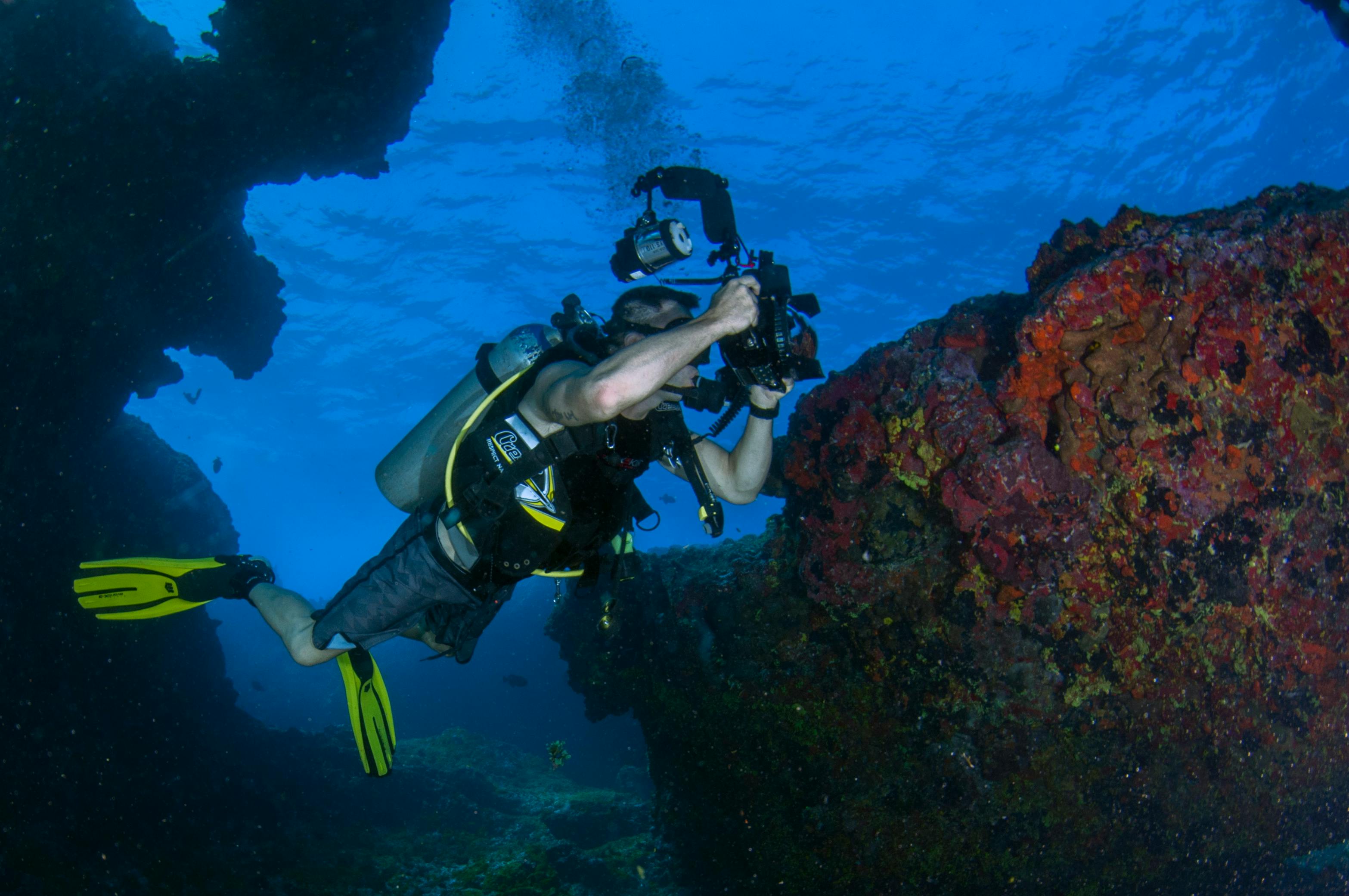
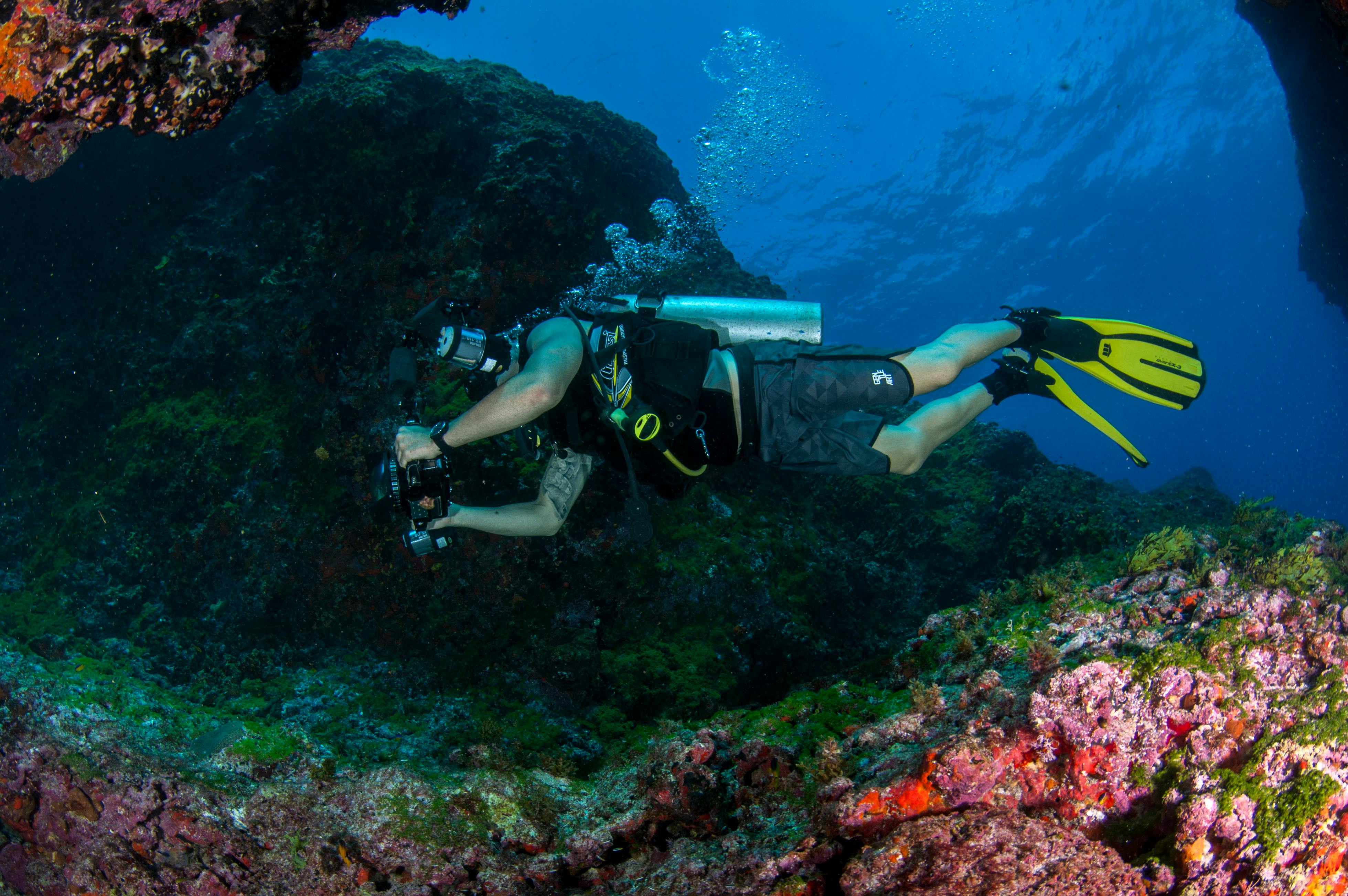
The Kona coast is built from lava, and that shows underwater. Many sites feature tubes, arches, and swim-throughs carved by ancient flows. These formations shelter whitetip reef sharks, lobsters, and schooling fish. Moreover, the light beams that pierce the openings make for dramatic photos. Ask your operator about lava-tube dives when you book.
Kona's marine life ranges from tiny to enormous. The manta rays are the obvious stars, but the daytime reefs deliver plenty too. Green sea turtles are everywhere, especially at cleaning stations like Turtle Pinnacle. Spinner dolphins often rest in the bays and sometimes greet dive boats. In addition, the lava terrain shelters whitetip reef sharks, octopus, eels, and lobster.
The reefs hold many endemic Hawaiian fish, including the state fish, the humuhumunukunukuapuaʻa. Out in the blue, you may spot eagle rays, jacks, and pelagic visitors. At night, the scene changes completely. Mantas dominate the lit reef, while the black-water dive reveals larval and deep-sea life almost no one ever sees. For a full species list, our Hawaii marine life guide covers it all.
The Big Island is large, but the diving is simple to reach. That is because it concentrates on one coast. Here is how to plan around it.
Almost all dive operators work out of Kailua-Kona and Keauhou, on the west coast. Therefore, staying in or near Kona keeps you close to the boats. Most dives, including the manta dive, leave from harbors a short drive from town. By contrast, the Hilo side on the east coast has far fewer dive options because it faces the open trade winds.
Plan your schedule around the manta dive, since it runs after dark. Many divers do reef dives by day and the manta dive at night. As a result, a single day can deliver both worlds. If you add Pelagic Magic, give yourself a rest night between the two black-water experiences, because they are demanding.
Reserve the manta dive well ahead, especially in summer. Shore dives like Two Step need no booking, but parking fills early, so arrive at dawn. When choosing an operator, look for small groups and a strong safety record. To compare every island before you commit, the Hawaii dive sites hub lays them out side by side, and the best time to dive Hawaii guide helps with timing.
The manta rays are the Big Island's treasure, so protecting them matters. Fortunately, the rules are simple. During the manta dive, never touch or chase a manta. Instead, stay low on the bottom and let them come to you. Because their skin has a protective coating, even a light touch can harm them. Good operators brief this clearly, and the best ones enforce it.
The same care applies to the reefs. Never touch or stand on coral, since it is alive and fragile. Likewise, keep your distance from turtles and other marine life, which Hawaiian law protects. Control your buoyancy so your fins never strike the bottom. In addition, Hawaii requires reef-safe sunscreen, so pack the right kind before your trip.
By diving carefully, you help keep Kona's mantas returning and its reefs thriving. These animals draw divers from around the world, and responsible diving keeps that magic alive. When you are ready to plan more, explore Hawaii's full slate of dive experiences, or read the in-depth manta ray dive guide before your trip.
Match each Kona dive site to your skill level and the experience you want.
| Site | Type | Depth | Level | When |
|---|---|---|---|---|
| Manta Ray Night Dive | Night / manta | ~30 ft | Beginner+ | Year-round, nightly |
| Pelagic Magic | Black-water night | ~50 ft | Advanced | Year-round, calm nights |
| Turtle Pinnacle | Reef (turtles) | 25–40 ft | Beginner | Year-round |
| Kaiwi Point | Reef / drift | 30–80 ft | Intermediate | Year-round |
| Two Step (Honaunau) | Reef (shore) | 10–45 ft | Beginner | Year-round, AM best |
| Lava Tubes | Caverns / arches | 20–60 ft | Intermediate | Year-round |
No island does night diving like the Big Island. Two of Hawaii's most famous after-dark dives — the manta ray dive and Pelagic Magic — both happen off Kona. That is no accident. The calm leeward water makes night dives safe and predictable, even when other islands are too rough.
The manta dive shows the reef at its most magical. Under the lights, giant rays glide and tumble while plankton swirls around you. By contrast, Pelagic Magic reveals the open ocean's hidden layer. There, in the black water, larval and deep-sea creatures drift up from the depths. Together, these two dives offer a night-diving experience found almost nowhere else on Earth.
If night diving appeals to you, prepare a little. You will want a primary dive light and a backup, plus comfort in low visibility. New night divers should start with the shallow manta dive before attempting Pelagic Magic. For gear and technique, see our dedicated night diving guide. And for the manta dive specifically, our manta ray dives page covers everything.
Planning a Kona dive trip is easy, mostly because conditions stay so steady. Still, a few tips help.
The short answer is: any time. Because Kona sits on the sheltered side, it dives well all year. Summer brings the calmest seas, but winter rarely shuts the coast down. The manta dive runs nightly, year-round, weather permitting. For a full month-by-month breakdown, see our best time to dive Hawaii guide.
The Big Island welcomes everyone. Beginners enjoy Turtle Pinnacle, Two Step, and the shallow manta dive. Certified divers add Kaiwi Point and the lava tubes. Advanced divers can take on Pelagic Magic. As always, match the dive to your training and trust your guide.
Book the manta dive early, since it fills nightly. Choose a small-group operator for a better experience. Operators rent full gear, so you can travel light, though a personal mask helps. For night dives, bring or rent two lights. Finally, use reef-safe sunscreen, which Hawaii law requires.
Exploring more islands? Compare Oahu scuba diving, Maui scuba diving, and Kauai to build a multi-island trip. You can also browse Hawaii's most iconic dive experiences.
Own a dive shop, tour, or business in Kona or Hilo? Big Island SEO is the local specialist — helping Hawaii Island brands win Big Island SEO and local search, Google Maps visibility, and AI search. Reach more visitors before they ever book.