Home › Dive Sites › Oahu
Wrecks off Waikiki. Sharks on the North Shore. Turtles on the reef. Oahu packs more dive variety into one island than anywhere else in Hawaii — and most of it sits minutes from your hotel.
What is the best scuba diving on Oahu?
Oahu scuba diving is best known for wrecks and sharks. The YO-257, a 175-foot former Navy ship off Waikiki, is the island's signature wreck dive. On the North Shore, Haleiwa hosts a thrilling cage-free shark dive with Galapagos and sandbar sharks. For reefs and beginners, Hanauma Bay and Shark's Cove deliver calm, shallow water. In short, Oahu offers the most variety and the easiest access of any Hawaiian island — wrecks, sharks, turtles, and reefs, all within a short boat ride.
Oahu is Hawaii's most-visited island, and its diving reflects that. Because Honolulu and Waikiki sit right on the south shore, world-class sites are remarkably close. In fact, you can leave your hotel, board a boat, and reach a sunken wreck in under thirty minutes. That convenience is hard to beat.
Variety is the other big draw. On Oahu, you can dive a wreck in the morning and a shark site in the afternoon. Meanwhile, beginners can stay in calm, protected bays. Therefore, the island suits every kind of diver — from first-timers to seasoned wreck hunters.
The water cooperates, too. Visibility usually runs 80 to 100 feet, and the temperature holds between 72°F and 82°F all year. As a result, a 3mm wetsuit works in nearly every season. South-shore sites stay calm most of the year, while North Shore sites shine in summer when the big winter surf settles down.
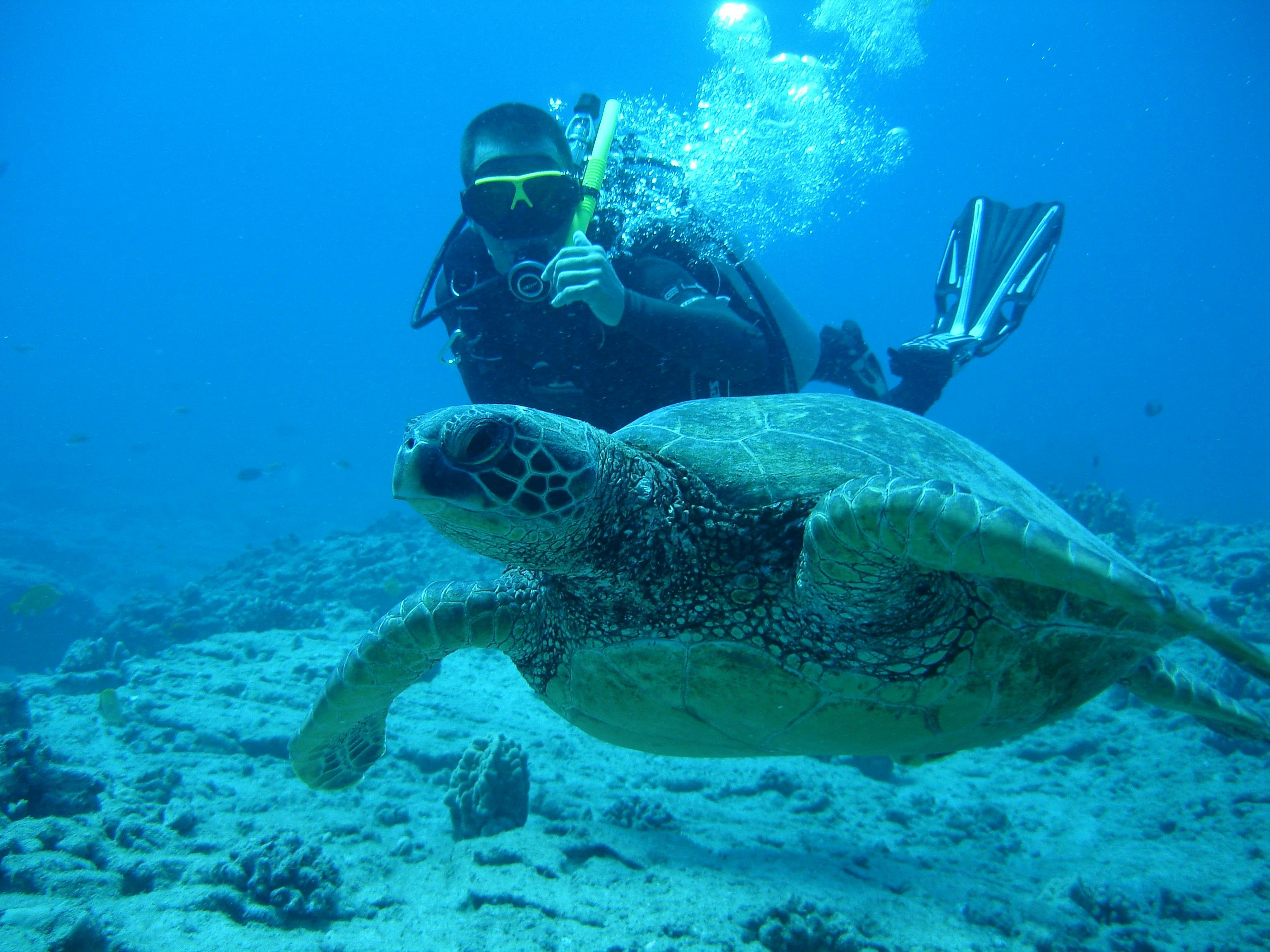
Marine life is abundant. Turtles are almost guaranteed, and the wrecks teem with eels, goatfish, and reef fish. Off the North Shore, sharks gather in numbers you rarely see elsewhere. To learn what else lives here, visit our Hawaii marine life guide. And if you want the bigger picture first, our Hawaii dive sites hub compares every island.
Visitors plan Oahu dives from their phones, often weeks ahead. Eye To Ad Media helps Hawaii dive shops and tour brands rank in Google and AI search, then turns that traffic into bookings with fast, high-converting websites. If you run boats out of Waikiki or Haleiwa, get found before your competitors.
See what Eye To Ad Media can do ›Oahu's dive map splits into two main zones. The south shore, near Waikiki, holds the wrecks and reefs. The North Shore holds the sharks and summer shore dives. Here are the sites worth planning around.
The YO-257 is the most famous wreck on Oahu, and for good reason. This 175-foot former Navy refueling vessel was sunk on purpose to create an artificial reef. Today, it rests upright between 65 and 100 feet off Waikiki. Over the years, marine life has claimed it. Consequently, you will find turtles resting on the deck, eels in the cracks, and clouds of schooling fish around the hull. Because it sits so close to shore, the boat ride is short — often part of a two-tank trip paired with the nearby San Pedro.
The San Pedro lies near the YO-257, so operators usually dive both on one trip. It is smaller and shallower, which makes it a relaxed second dive. Moreover, it shelters plenty of life, including frogfish, eels, and the occasional reef shark. Together, these two wrecks form Oahu's best wreck-diving combo.
This is the dive thrill-seekers come for. Off Haleiwa, on the North Shore, operators run cage-free shark dives in open water. There, Galapagos and sandbar sharks gather in numbers that can reach 50 to 100 or more. Despite the drama, the dive is controlled and safe. These are reef sharks, and experienced guides know their behavior well. For most people, it becomes the highlight of the trip.
Hanauma Bay is Oahu's classic beginner site. It is a protected marine preserve with calm, shallow water and easy entry. As a result, it is ideal for new divers, snorkelers, and Discover Scuba sessions. You will see reef fish, turtles, and coral in gentle conditions. Note that the bay limits daily visitors and closes some days, so plan ahead.
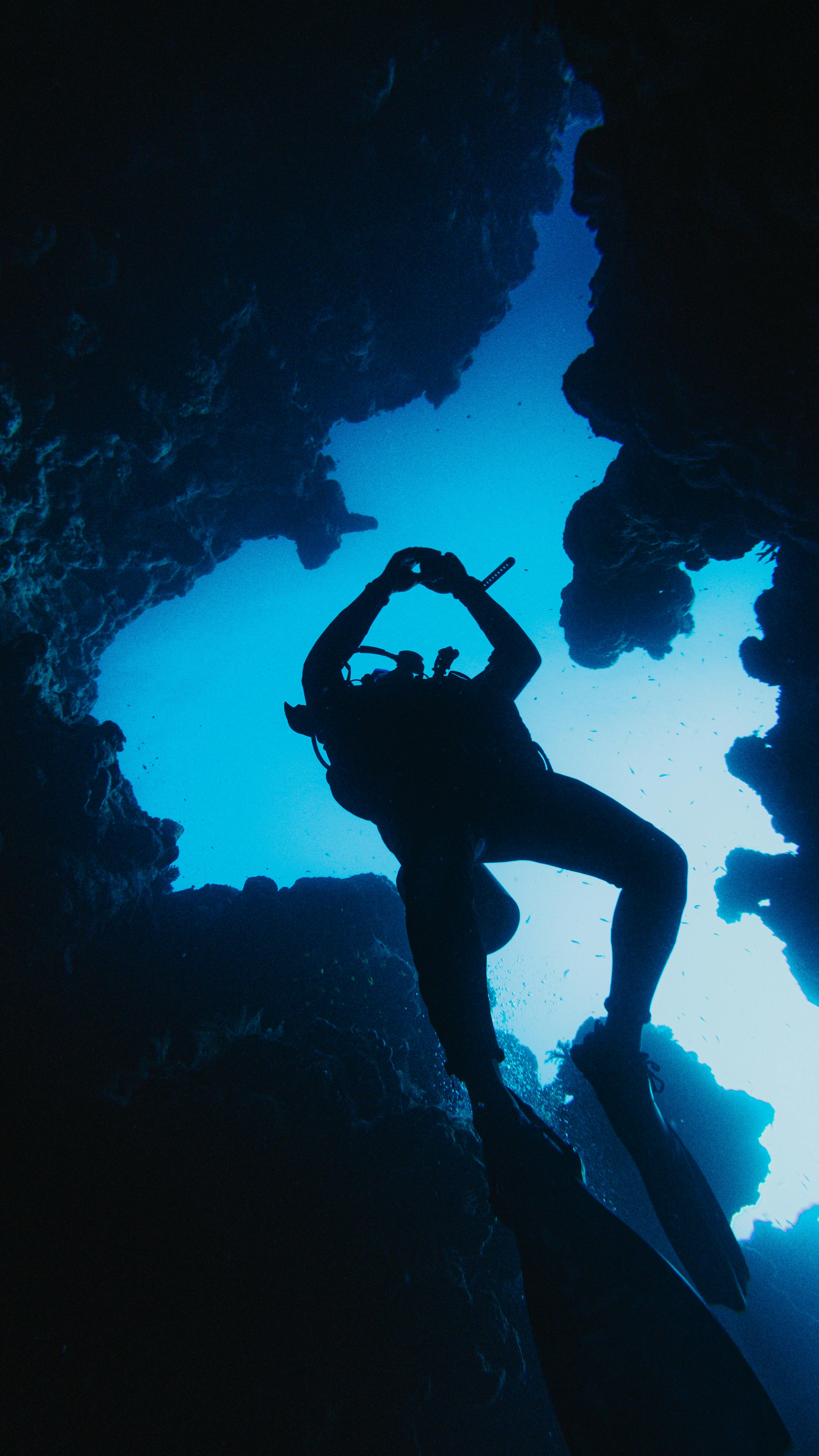
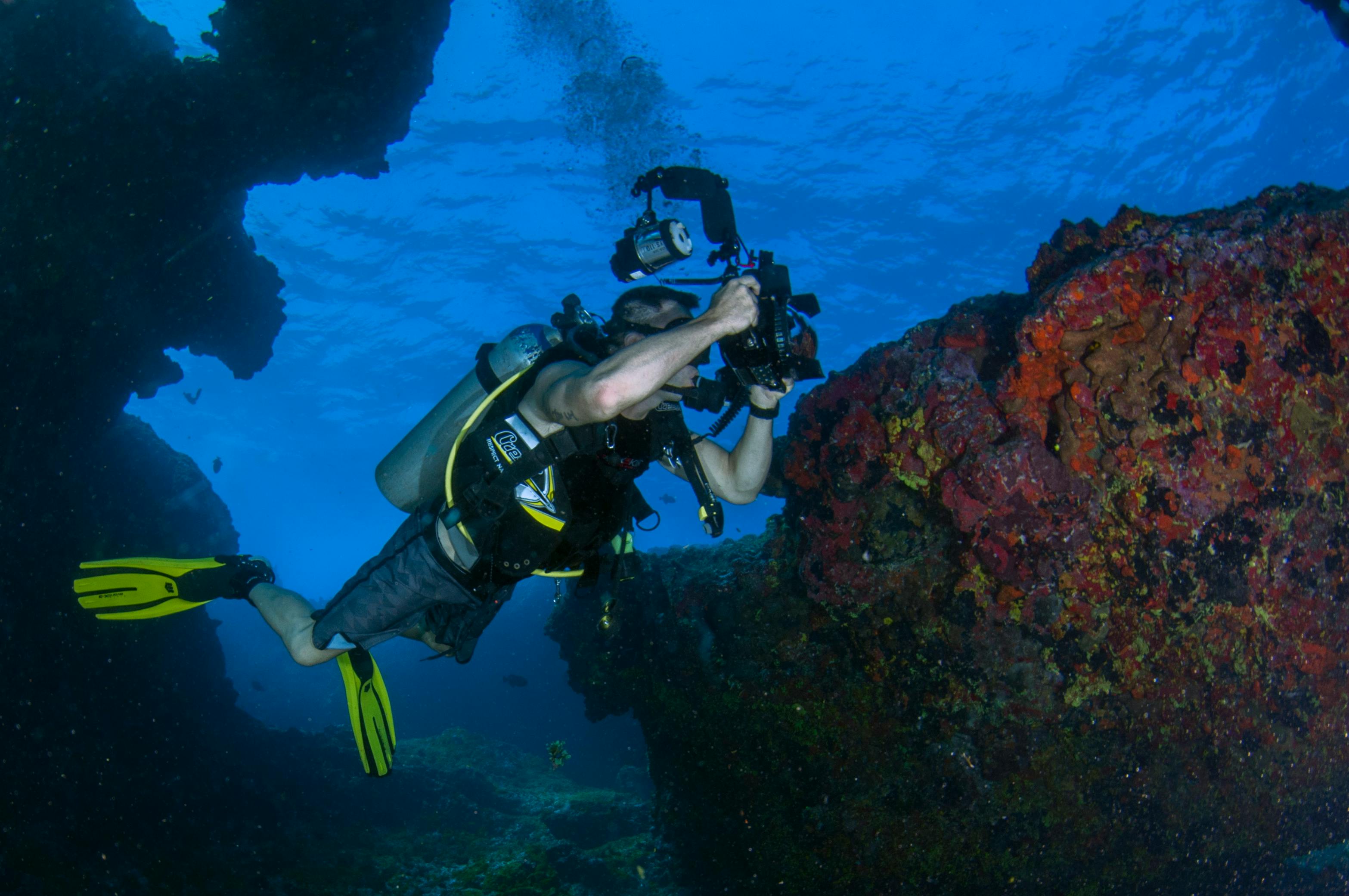
Despite the name, Shark's Cove is a calm North Shore shore dive, not a shark site. In summer, when the surf lies flat, it offers caverns, lava tubes, and rich reef life right from the beach. However, in winter the swell makes it dangerous, so it is a summer-only site. When conditions allow, it is one of the best shore dives on the island.
For advanced divers, the Corsair adds something rare. It is a WWII fighter plane resting intact at around 100 feet off the south shore. Because of the depth, it suits experienced divers with good air management. The plane sits on open sand, so visibility is usually excellent, and the sight of an intact aircraft underwater is unforgettable.
Oahu's marine life is a big part of the appeal. First, green sea turtles are everywhere. You will likely meet several on a single dive, resting on wrecks or grazing on the reef. They are calm and used to divers, though Hawaiian law requires you to keep your distance. Second, eels hide in nearly every crack. Whitemouth and yellowmargin morays are common, and they peek out as you pass. Third, the reefs hold endemic Hawaiian fish you will not see anywhere else, including the state fish, the humuhumunukunukuapuaʻa.
Larger animals show up too. Reef whitetip sharks rest under ledges, and eagle rays glide over the sand. During winter, you may even hear humpback whales singing while you dive. Although you rarely see them underwater, the sound carries for miles. To dive deeper into what lives here, our Hawaii marine life guide covers every major species.
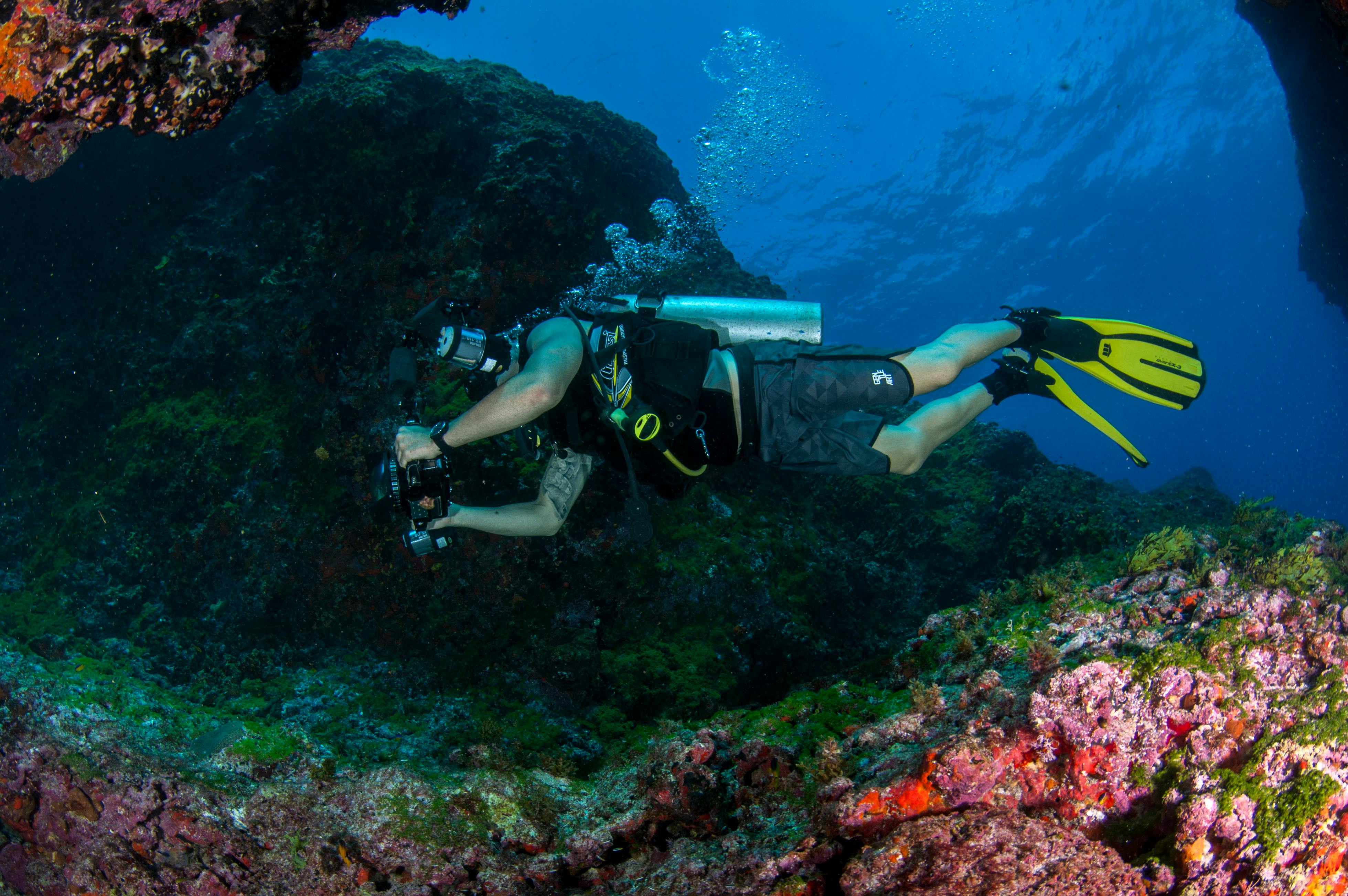
One reason Oahu is so popular is access. The island is compact, and dive sites cluster in two zones. As a result, you spend less time traveling and more time underwater. Here is how it breaks down.
Most wreck and reef boats leave from Kewalo Basin or the Ala Wai harbor, both near Waikiki. Therefore, if you stay in Honolulu, your boat ride is short and easy. These departures reach the YO-257, San Pedro, Corsair, and nearby reefs. Because the south shore stays sheltered most of the year, these trips run reliably across all seasons.
The shark dives and summer shore sites sit on the North Shore, about an hour's drive from Waikiki. Consequently, plan for travel time if you base yourself in town. Many divers make a full day of it, pairing the shark dive with a North Shore lunch. In winter, the famous big-wave surf takes over, so North Shore diving pauses until spring.
Book ahead in summer, when demand peaks. Likewise, the shark dive fills fast, so reserve early. When you choose a shop, look for small groups, current certifications, and a clear safety focus. Our featured operator, Honolulu Scuba Company, checks all those boxes — and you can read the full review on our Oahu dive shops page. For broader trip planning, the Hawaii dive sites hub compares every island side by side.
If you have never dived Oahu, here is how a typical boat day unfolds. Knowing the flow helps you relax and enjoy it more.
First, you check in at the harbor and meet your crew. Then the team fits your rental gear and reviews the plan. Next, the boat heads out — usually a short ride to the first site. Before you enter the water, the divemaster gives a full briefing covering depth, route, marine life, and hand signals. After that, you gear up and descend. Most trips run two tanks, with a surface interval between dives to rest and refuel.
Throughout the day, the crew watches your air, depth, and comfort. Because group sizes stay small at the best shops, you get real attention. Finally, you surface, swap stories on the boat, and head back to the harbor. The whole experience usually takes a half day, which leaves time to enjoy the rest of Oahu.
Oahu's reefs are beautiful, but they are also fragile. Therefore, a few habits matter. Never touch or stand on coral, since even a light bump can kill it. Likewise, keep a respectful distance from turtles, monk seals, and sharks — these animals are protected by law. Control your buoyancy so your fins never strike the reef. In addition, use only reef-safe sunscreen, which Hawaii now requires.
Good operators reinforce these rules, and the best ones lead by example. By diving carefully, you help keep Oahu's sites healthy for future visitors. After all, these reefs took centuries to grow. With a little care, they will still be thriving on your next trip. When you are ready to plan more dives, explore our Hawaii dive experiences and the best time to dive Hawaii guide.
Use this table to match each Oahu dive site to your skill level and the conditions you want.
| Site | Type | Depth | Level | Best Season |
|---|---|---|---|---|
| YO-257 | Wreck (boat) | 65–100 ft | Intermediate | Year-round |
| San Pedro | Wreck (boat) | 60–80 ft | Intermediate | Year-round |
| Haleiwa Shark Dive | Shark (boat) | ~30 ft | Intermediate | Year-round |
| Hanauma Bay | Reef (shore) | 10–40 ft | Beginner | Year-round |
| Shark's Cove | Reef (shore) | 10–45 ft | Beginner–Inter. | Summer |
| Corsair Plane | Wreck (boat) | ~100 ft | Advanced | Year-round |
A great dive day starts with the right operator. On Oahu, our top pick is a safety-first shop that runs small groups to turtles, eels, and reefs.
We dove with Honolulu Scuba Company off Oahu and rated the day a flawless 5/5. The crew does everything by the book, the briefings are thorough, and the marine life delivered — turtles, huge eels, and vibrant reef. Owner Ronda and the team went above and beyond from the first phone call to the dock.
Planning an Oahu dive trip is simple once you know the patterns. Here is what matters most.
South-shore sites, including the wrecks, dive well all year. North Shore sites are different. In summer, roughly May through September, the surf calms and sites like Shark's Cove open up. In winter, however, big swells close the North Shore to diving. Therefore, plan North Shore dives for summer and save the wrecks for any season. For a full breakdown, see our best time to dive Hawaii guide.
Oahu welcomes every level. Beginners should start at Hanauma Bay or book a Discover Scuba session. Certified divers can add the wrecks and the shark dive. Meanwhile, advanced divers can reach the deeper Corsair. Match the site to your training, and always follow your guide.
Operators rent full gear, so you can travel light. Still, a personal mask improves comfort. For the shark dive, you need nothing special beyond your certification. By contrast, summer shore dives at Shark's Cove call for sturdy booties because of the rocky entry. Finally, always use reef-safe sunscreen — it is the law in Hawaii.
Ready to explore other islands? Compare Maui scuba diving, the Big Island manta dives, and Kauai. You can also dive into Hawaii's most iconic experiences.
Running a tour, charter, or shop on Hawaii Island? Big Island SEO helps Kona and Hilo businesses win local search — from Big Island SEO services to Google Maps visibility and AI search optimization. Reach more visitors before they book.